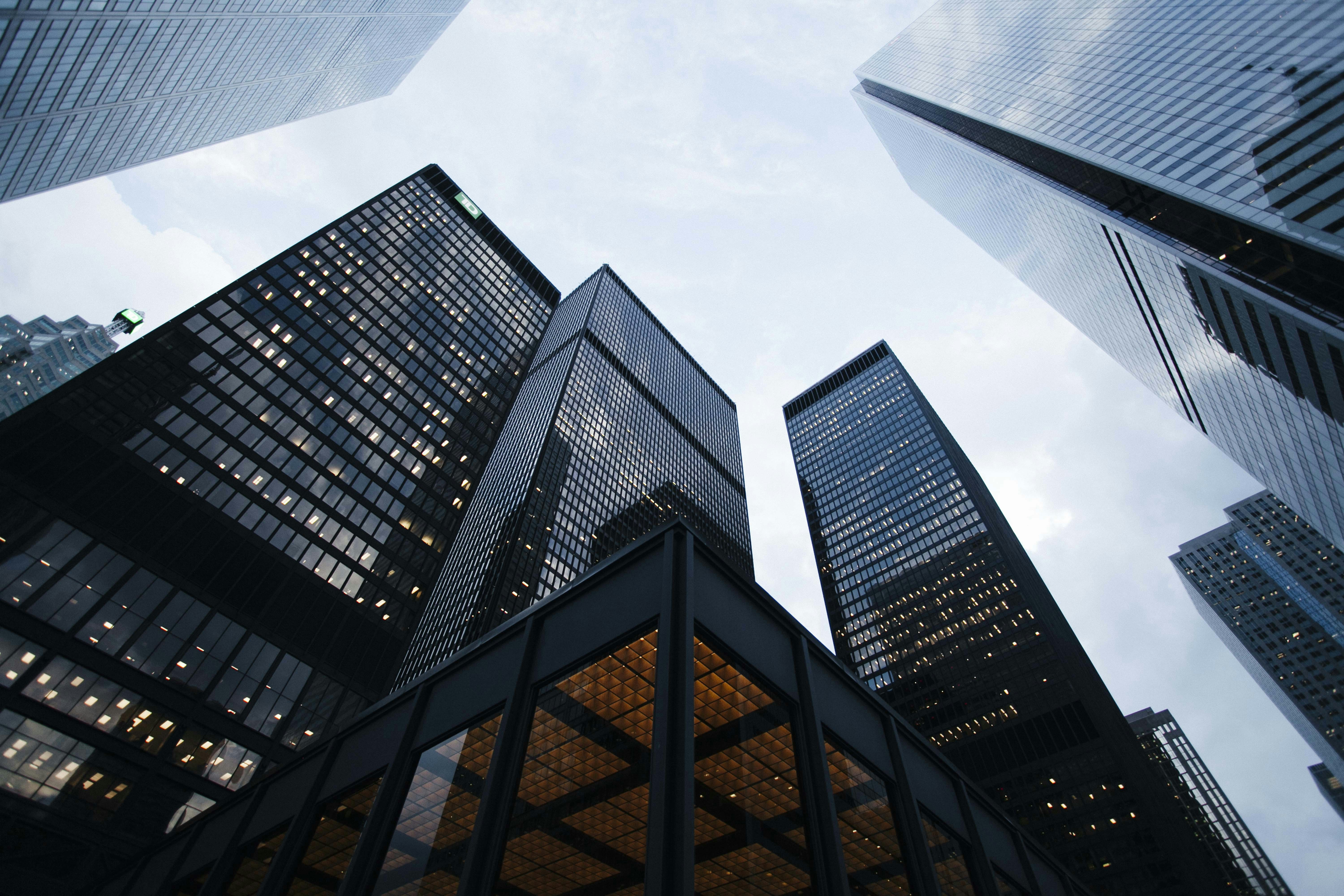
Sustainable architecture is no longer just a trend—it's a necessity. As urban populations continue to grow, architects and planners must embrace innovative solutions that minimize environmental impact while maximizing quality of life.
In this article, we explore the latest developments in green building technology, from living walls and green roofs to advanced energy management systems and sustainable materials. We also examine case studies of cities leading the way in sustainable urban development.
The key principles of sustainable architecture include energy efficiency, water conservation, sustainable materials, indoor environmental quality, and site sustainability. By incorporating these principles into every project, architects can create buildings that not only reduce their environmental footprint but also provide healthier, more comfortable spaces for occupants.
Key Takeaways
- Sustainable design practices are becoming essential, not optional
- Technology and innovation are driving new possibilities in architecture
- Client collaboration remains at the heart of successful projects
- Environmental responsibility benefits both communities and businesses
Looking Ahead
As we continue to push the boundaries of architectural design, we remain committed to creating spaces that inspire, function beautifully, and contribute positively to our environment. The future of architecture is bright, and we're excited to be part of shaping it.